Cross-Border Compliance for Canadians
For Canadians who frequently cross the border —whether for business meetings, family visits, snowbird stays, or professional assignments —understanding how the U.S. tracks entries and exits is crucial. Even short trips can have long-term immigration implications if travel records are inaccurate or if a visitor overstays their authorized period.
At Richards and Jurusik Immigration Law, we regularly assist Canadians who have encountered issues with U.S. entry/exit compliance, I-94 records, or future visa applications stemming from unintentional overstays. Knowing how systems like ADIS work is key to avoiding complications.
What Is ADIS?
The Arrival and Departure Information System (ADIS) is operated by U.S. Customs and Border Protection (CBP) under the Department of Homeland Security (DHS). Established to meet U.S. legal requirements for automated entry and exit tracking, ADIS consolidates travel, immigration, and border crossing data from multiple sources to create a complete picture of a traveler’s history.
ADIS integrates data from systems such as:
- APIS – Advance Passenger Information System (air and sea travel)
- BCI – Border Crossing Information (land entries and exits)
- NIIS – Non-Immigrant Information System (visa-related records)
- SEVIS – Student and Exchange Visitor Information System
- CLAIMS 3 / ELIS – Immigration benefits processing systems
It also draws on biometric and encounter data from IDENT, the DHS biometric identity system.
How Canada Fits In: The “Implied Exit”
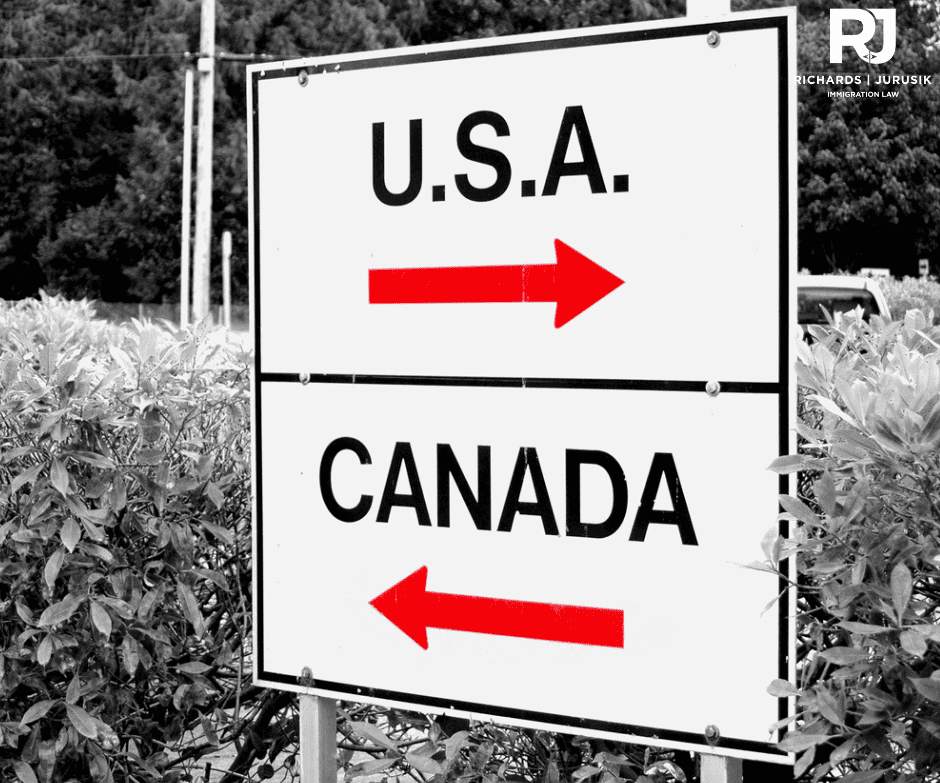
Since 2013, Canada and the U.S. have shared land border data through the Beyond the Border initiative. When you re-enter Canada from the U.S., that event is automatically treated as an “implied exit” from the United States, closing your U.S. travel record in ADIS. This real-time data exchange between the Canada Border Services Agency (CBSA) and U.S. CBP helps both countries:
- Confirm lawful entries and exits
- Detect and prevent visa overstays
- Simplify border management while enhancing national security
For most Canadians, this process is entirely electronic, with no need for paper I-94s or manual departure documentation.
What Data ADIS Tracks
ADIS does not collect data directly from travelers. Instead, it receives updates from systems that already gather your information when you cross the border or board a flight. Typical records include:
- Biographic data: Full name, date of birth, nationality, and passport details
- Travel data: Entry and exit dates, port of entry, carrier information, and I-94 numbers
- Immigration data: Visa class, status updates, and benefit application history
Citations
We Can Help!
If you have questions regarding an immigration matter, we invite you to contact our team at Richards and Jurusik for detailed guidance and assistance. We aim to provide the most accurate and up-to-date information to make your immigration process smoother and less stressful. The immigration lawyers at Richards and Jurusik have decades of experience helping people to work and live in the United States. Please read some of our hundreds of 5-star client reviews! Contact us today to assess your legal situation.

JEREMY L. RICHARDS is the founding partner of Richards and Jurusik and has dedicated his career to U.S. immigration law, with a specialized focus on assisting Canadian and Mexican citizens under the United States-Mexico-Canada Agreement (USMCA) to work and live in the United States. (Full Bio)