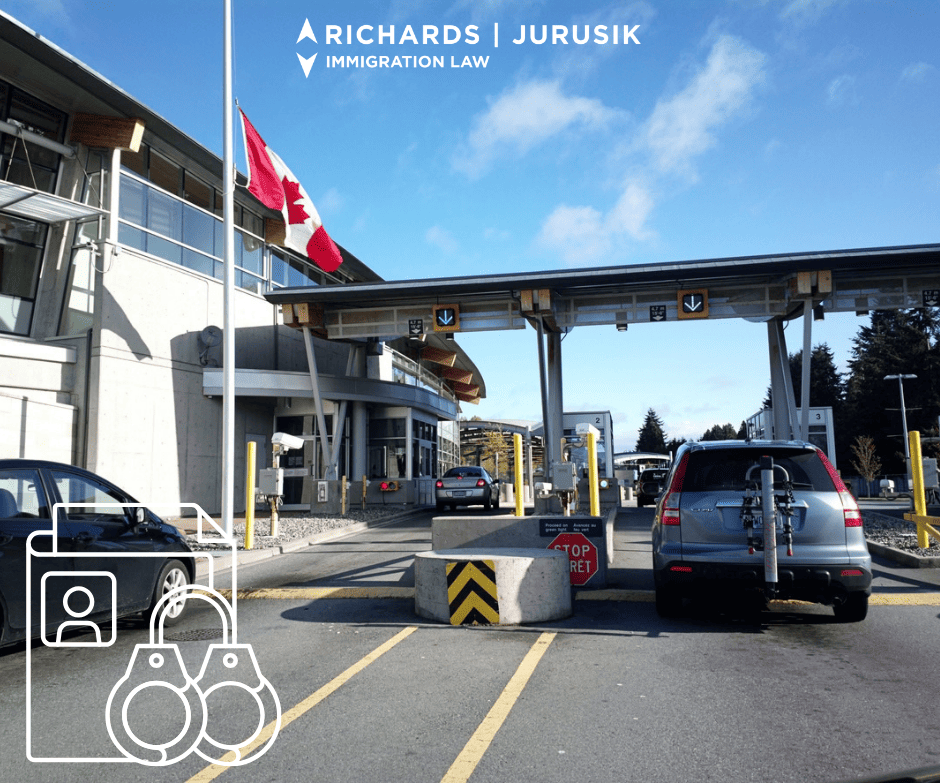
TRP Approved by the Consulate: What to Expect at the Canadian Border
If your Temporary Resident Permit (TRP) was approved by a Canadian consulate, here’s what to expect and bring when crossing the border into Canada.
Buffalo: (716) 970-4007 | Toronto: (866) 697-1832
Entering Canada with a criminal offense can be difficult due to stringent entry regulations. Our skilled immigration lawyers assist with overcoming these obstacles through options like Temporary Resident Permits and Criminal Rehabilitation. We offer personalized guidance to enhance your chances of approval. Contact us for professional help with your entry to Canada.
If your Temporary Resident Permit (TRP) was approved by a Canadian consulate, here’s what to expect and bring when crossing the border into Canada.
A Temporary Resident Permit (TRP) lets you enter Canada if you’re otherwise inadmissible. Learn how to apply directly at the border for urgent travel.
A felony can make you inadmissible to Canada. Find out whether you’re eligible for a Temporary Resident Permit (TRP) and what factors immigration officers consider.
You can still apply for a Temporary Resident Permit (TRP) to enter Canada, even with multiple criminal convictions, if your need outweighs the risk to Canadian society. Learn about how multiple convictions affect rehabilitation and TRP eligibility, documentation needed, and key factors immigration officers consider.
Pilots and flight attendants with a DUI or criminal conviction may be inadmissible to Canada, putting their work routes and careers at risk. Learn how to overcome that inadmissibility with a dual-licensed immigration attorney.
Learn the differences between a Temporary Resident Permit and Criminal Rehabilitation when addressing criminal inadmissibility to Canada, including eligibility and process.
IRCC advises that individual rehabilitation applications often exceed 12 months. For reliable entry timelines, apply as early as possible.
Individuals who are inadmissible to Canada may still be allowed entry with a Temporary Resident Permit. Applying in advance can significantly improve your chances.
If you’re deemed rehabilitated after a past conviction, knowing what to bring to the border can make your entry into Canada smoother. Here’s your essential checklist.
If you’re hoping to reunite with loved ones in Canada this summer but have a DUI or past conviction, don’t risk being turned away at the border. Here’s how U.S. travelers can overcome criminal inadmissibility and visit family legally.