When a U.S. citizen turns 21, they gain the ability to sponsor their parents for lawful permanent residence (a green card). This is one of the most direct family-based immigration paths, but it’s important to understand the eligibility requirements, process options, and timelines involved.
Who Can Sponsor Their Parents for a Green Card?
- Only U.S. citizens aged 21 or older can sponsor their parents.
- Green card holders (permanent residents) cannot sponsor parents.
- Both biological and, in certain cases, adoptive or step-parents may qualify if legal relationships are properly documented.
Eligibility Requirements for Sponsoring Parents
For a parent to qualify for a green card through their U.S. citizen child:
- The sponsoring child must:
- Be at least 21 years old.
- Be a U.S. citizen (natural-born or naturalized).
- Maintain a U.S. domicile (proof of living or intending to live in the U.S.).
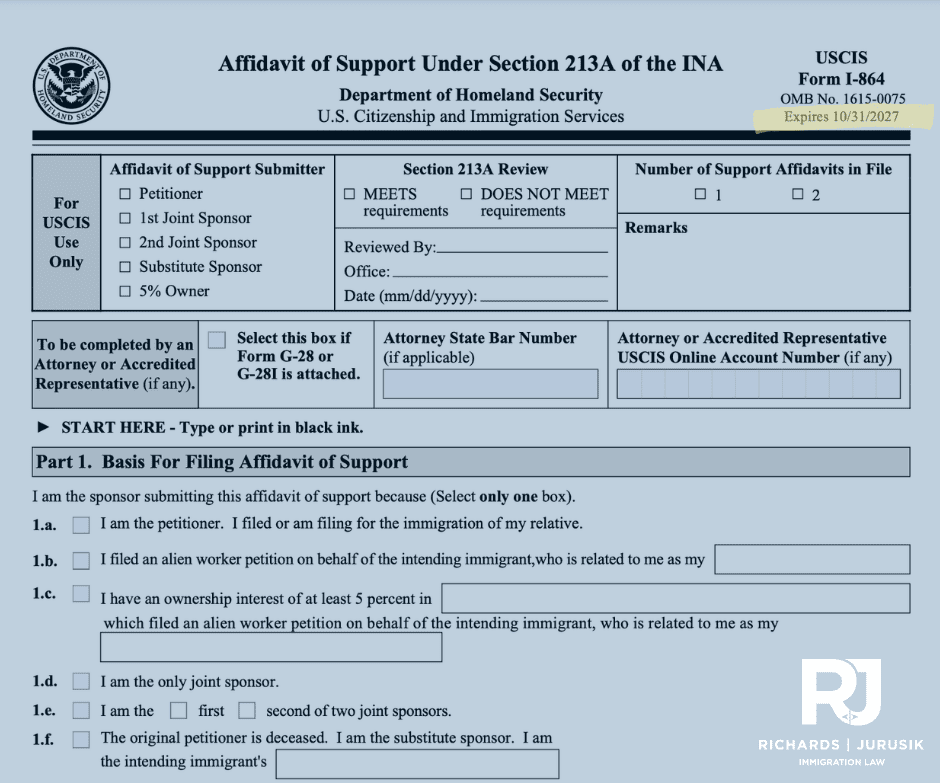
- Meet financial sponsorship requirements by filing Form I-864, Affidavit of Support.
- The parent must:
- Demonstrate a qualifying relationship through a valid birth certificate or legal documents.
- Be admissible to the United States (no disqualifying criminal, immigration, or health issues).
Adjustment of Status (AOS) vs. Consular Processing (CP)
The process your parent will follow depends on whether they are inside or outside the U.S.:
-
Adjustment of Status (AOS) — For Parents Inside the U.S.
If your parent is lawfully present in the U.S., they may be eligible to file for a green card through Adjustment of Status:
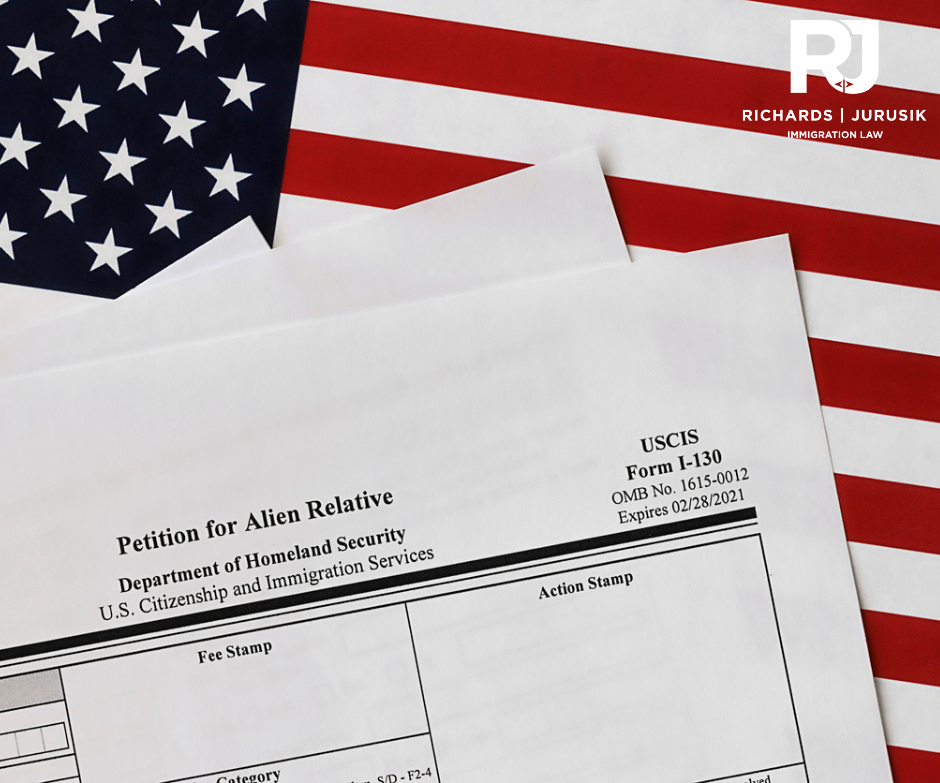
- File Form I-130 (Petition for Alien Relative) and Form I-485 (Application to Register Permanent Residence) concurrently.
- No waiting period — parents of U.S. citizens are considered “immediate relatives,” meaning visas are always available.
- Parent can remain in the U.S. while the application is processed.
- May also apply for work and travel authorization while the green card is pending.
-
Consular Processing (CP) — For Parents Outside the U.S.
If your parent is outside the U.S.:
- File Form I-130 first.
- Once approved, the case is forwarded to the National Visa Center (NVC).
- Parent will complete consular processing at a U.S. Embassy or Consulate in their home country.
- After a successful visa interview, they can enter the U.S. as a lawful permanent resident.
Is There a Waiting Period Before Filing?
For parents of U.S. citizens, there is no visa waiting period – they fall under the immediate relative category. This means:
- You can file as soon as you meet the eligibility criteria (child is 21+ and a U.S. citizen).
- The processing time will depend on USCIS and consular workloads, generally ranging from 8 to 14 months.
Key Documents Needed
- Proof of U.S. citizenship (passport, birth certificate, or naturalization certificate).
- Proof of parent-child relationship.
- Proof of financial ability (Form I-864, tax returns, employment verification).
- If applicable, marriage certificates, adoption records, or divorce decrees.
Final Tips
- Ensure your parent’s immigration history is reviewed for any issues that could impact admissibility.
- If your parent is in the U.S. but has overstayed a visa, consult an immigration attorney before filing.
- Be prepared for consular interview requirements if processing abroad.
Schedule a Consultation with an Immigration Lawyer
Citation
We Can Help!
If you have questions about the E-2 Investor visa, we invite you to contact our team at Richards and Jurusik for detailed guidance and assistance. We aim to provide the most accurate and up-to-date information to make your immigration process smoother and less stressful. The immigration lawyers at Richards and Jurusik have decades of experience helping people work and live in the United States. Please read some of our hundreds of 5-star client reviews! Contact us today to assess your legal situation.

REBECCA KROLL is an Associate Attorney at Richards and Jurusik who practices exclusively in U.S. immigration law, focusing on both business and family-based immigration. She assists clients with employment-based visas, marriage and family cases, and the U.S. citizenship process. (Full Bio)