Welcome to the threshold of your new beginning in the United States!
Having your immigrant visa approved is a significant milestone, but it marks just the start of your journey. This comprehensive guide is designed to navigate you through the myriad steps, preparations, and adjustments required as you transition to life in the U.S., ensuring a smoother integration into your new community and culture.
1) Preparing for Your Move
Receiving Your Visa and Next Steps
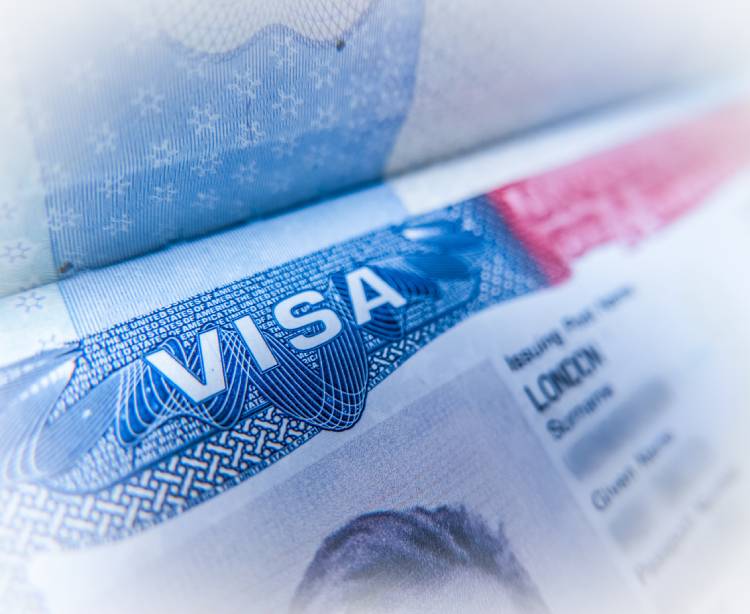
Once your visa is approved, promptly review all the information on it to ensure accuracy. Mistakes in your visa can lead to issues upon entering the U.S. or later in the residency process. Remember to:
- Pay the USCIS Immigrant Fee online before you depart for the United States. This fee is crucial for the production and mailing of your Green Card.
- Arrange for your housing and transportation in the U.S. before leaving your home country to avoid stress upon arrival.
2) Planning Your Arrival in the U.S.
Understanding Visa Validity
Your immigrant visa typically has a six-month validity period. It’s imperative to:
- Enter the U.S. within this validity period to ensure your entry is permitted.
- Understand that entry into the U.S. is at the discretion of CBP officials at the port of entry, even with a valid visa.
Entering the United States
Your first experience upon arrival will be the inspection process by CBP officials. To facilitate a smooth entry:
- Keep all necessary documents readily available, including your visa, passport, and any other documents that prove your intention to reside in the U.S.
- Be prepared to answer questions about your final destination, plans, and any relatives you might be joining in the U.S.
3) Settling In: Establishing Your New Life
Obtaining Your Green Card and SSN
The Green Card and Social Security Number (SSN) are vital for your new life in the U.S.:
- Your Green Card, which will be mailed to your U.S. address, is proof of your authorization to live and work permanently in the U.S.
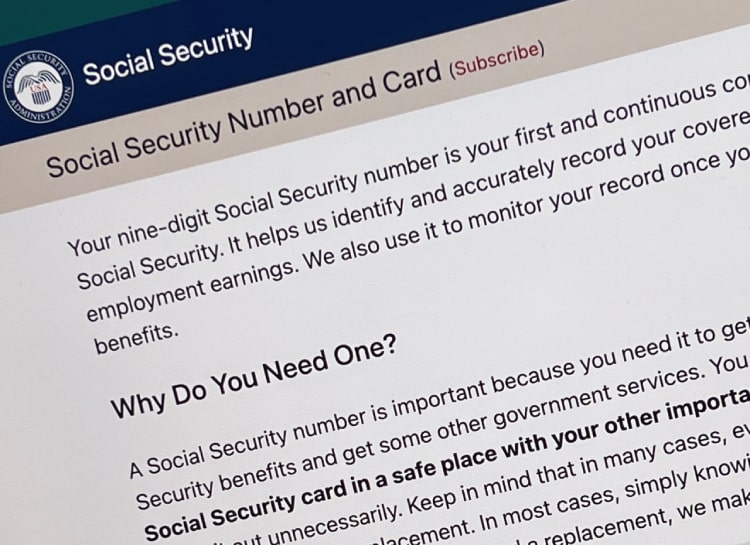
- Apply for your SSN at your local Social Security office as soon as possible. It’s required for employment, opening a bank account, and accessing other services.
Finding Employment
Employment will be a significant aspect of your new life in the U.S.:
- Utilize job search websites, local community centers, and networks within your community to find job opportunities.
- Understand your rights as a worker in the U.S., including minimum wage laws and workplace safety regulations.
Housing Options: Renting vs. Buying
Finding a place to call home is one of your first tasks:
- Renting offers flexibility and is a good option while you become acquainted with your new environment. Understand lease agreements and your rights as a tenant.
- Buying a home is a long-term investment and requires understanding of the mortgage process, property taxes, and home maintenance responsibilities in the U.S.
4) Adapting to Your New Environment
Education and Healthcare Systems
Familiarizing yourself with the U.S. education and healthcare systems early on is crucial:
- Register your children in the local school district and understand the educational system, including public vs. private schools.
- Research healthcare insurance options, including employer-sponsored plans, Affordable Care Act exchanges, and Medicaid eligibility.
Transportation and Driving in the U.S.
Transportation is key to independence and accessing services in the U.S.:
- Public transportation varies by location; familiarize yourself with local options.
- Understand the process for obtaining a driver’s license in your state, including driving tests and vehicle registration requirements.
5) Maintaining Legal Status and Preparing for Citizenship
Your journey may eventually lead to U.S. citizenship:
- Maintain your permanent resident status by adhering to U.S. laws, filing tax returns, and not abandoning your residency.
- Explore the naturalization process, including eligibility requirements, the citizenship test, and the benefits of becoming a U.S. citizen.
Conclusion
Being a U.S. permanent resident starts with understanding your rights and obligations. Look forward to opportunities and challenges with confidence, knowing that each step you take is a building block toward achieving your American dream.
Welcome to the United States, and may your journey be filled with success and fulfillment!