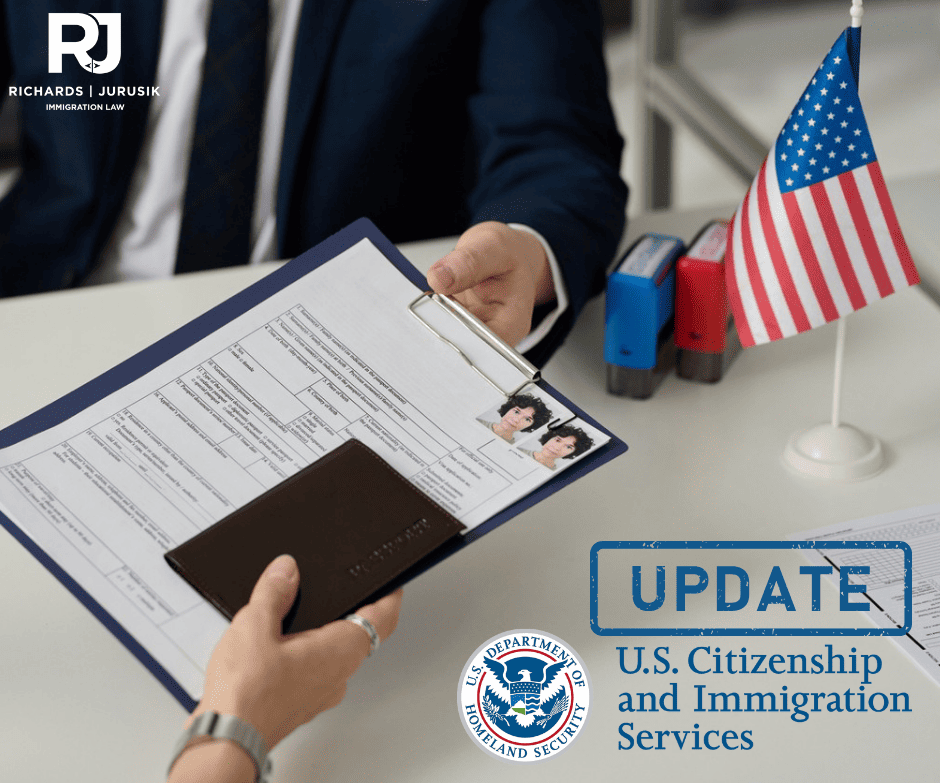
Millions of Canadians travel to the United States every year for tourism, shopping, business meetings, and family visits. Because of the close relationship between the two countries, Canadian citizens generally benefit from simplified entry procedures compared to many other foreign nationals. However, Canadians must still present proper documentation when entering the United States. U.S. Customs and Border Protection (CBP) officers determine whether a traveler is admissible at the time of entry, and having the correct documents can help ensure a smooth border crossing.
Passport Requirements for Canadian Travelers
For most travel to the United States, Canadian citizens must carry a valid passport.
A passport is required when:
- Traveling to the United States by air
- Entering the United States from another country through an airport
- Applying for certain visas or immigration classifications
The passport must be valid at the time of entry, and travelers should ensure it remains valid throughout their planned stay.
Land and Sea Travel
Canadian citizens crossing the border by land or sea may have additional document options under the Western Hemisphere Travel Initiative (WHTI).
Acceptable documents may include:
- A valid Canadian passport
- A NEXUS card
- An enhanced driver’s license (in certain provinces)
While these documents may allow entry at land or sea ports of entry, many travelers still prefer to carry a passport because it is widely accepted and may help avoid delays.
Supporting Documents for Visitors
Although Canadians are generally visa-exempt for short visits, border officers may ask questions about the purpose and duration of the trip.
Travelers may benefit from carrying supporting documents such as:
- Evidence of return travel plans
- Proof of employment in Canada
- Proof of residence in Canada
- Hotel reservations or travel itineraries
- Evidence of sufficient funds for the visit
These documents can help demonstrate that the traveler intends to visit temporarily and will return to Canada.
Additional Documents for Work or Study
Canadians traveling to the United States for work or study must often carry additional documentation related to their immigration status.
Examples include:
- Employer support letters for work visas such as TN status
- Approval notices from U.S. Citizenship and Immigration Services (USCIS)
- Student documentation such as Form I-20 for F-1 status
- Evidence of professional qualifications or degrees
These documents help CBP officers confirm that the traveler qualifies for the requested status.
Travelers with Criminal Records
Individuals with past criminal convictions should be prepared for additional questions when entering the United States.
In some cases, travelers may need to carry documentation related to:
- Court records or case dispositions
- Waivers of inadmissibility, if applicable
- Evidence of rehabilitation
Being prepared with accurate documentation can help avoid confusion during inspection.
Electronic I-94 Records
Many travelers admitted to the United States in a nonimmigrant classification will receive an electronic I-94 record, which documents their authorized period of stay. It is important to review the I-94 record after entering the United States to confirm the date until which the traveler is authorized to remain in the country.
Travelers can access this information through the U.S. Customs and Border Protection website.
Key Takeaways
- Canadian citizens must carry valid travel documents when entering the United States.
- A passport is required for air travel and widely accepted for all types of entry.
- Land and sea travelers may also use documents such as NEXUS cards or enhanced driver’s licenses.
- Supporting documents may help demonstrate the purpose and temporary nature of a visit.
- Additional documentation may be required for work, study, or other specialized travel.
Conclusion
Although Canadian citizens often benefit from visa-exempt travel to the United States, proper documentation remains essential when crossing the border. Carrying a valid passport and any relevant supporting documents can help travelers demonstrate their eligibility for entry and avoid delays during inspection.
Preparing in advance and understanding the documentation requirements can make the travel experience smoother and help ensure a successful visit to the United States.
Sources
- U.S. Customs and Border Protection – International Visitors
- U.S. Customs and Border Protection – Western Hemisphere Travel Initiative
- U.S. Department of State – Visitor Visa Information
Schedule a Consultation with an Immigration Lawyer
We Can Help!
If you have questions regarding U.S. Immigration for Canadians, we invite you to contact our team at Richards and Jurusik for detailed guidance and assistance. We aim to provide the most accurate and up-to-date information to make your immigration process smoother and less stressful. The immigration lawyers at Richards and Jurusik have decades of experience helping people to work and live in the United States. Please read some of our hundreds of 5-star client reviews! Contact us today to assess your legal situation.

REBECCA KROLL is an Associate Attorney at Richards and Jurusik who practices exclusively in U.S. immigration law, focusing on both business and family-based immigration. She assists clients with employment-based visas, marriage and family cases, and the U.S. citizenship process. (Full Bio)