An international relationship brings important decisions about where to marry, where to live, and when to begin your life together. For Utah couples, those decisions may also involve college schedules, graduation, employment, and family overseas.
Whether you met while studying, traveling, serving a mission, or through friends, the starting point is the same: marrying a foreign national does not automatically give that person permission to live or work in the United States. The appropriate immigration process depends on your citizenship or immigration status, your partner’s location, and their immigration history.
Planning before you book travel or commit to a wedding date can help you choose a path that fits your circumstances.
Which Immigration Path Fits Your Relationship?
For couples planning to live permanently in Utah, three common options are a K-1 fiancé visa, a marriage-based immigrant visa, and adjustment of status.
| Your circumstances | Potential immigration path | Main planning consideration |
|---|---|---|
| You are a U.S. citizen, unmarried, and your fiancé lives abroad | K-1 fiancé visa | Marry the U.S. citizen petitioner within 90 days after admission, then apply for a green card |
| You are married and your spouse lives abroad | Marriage-based immigrant visa | Complete processing abroad before entering as a permanent resident |
| Your foreign national spouse is already in the United States | Adjustment of status, if eligible | Review entry history, immigration status, and other eligibility requirements |
These options are not interchangeable. Being physically present in the United States does not, by itself, establish eligibility to apply for a green card here.
The K-1 Fiancé Visa: Marrying After Arrival
A K-1 visa allows the foreign fiancé of a U.S. citizen to travel to the United States to marry that citizen. It is not available to fiancés of green card holders.
The process begins with Form I-129F. Both partners must be legally free to marry and generally must have met in person within the two years before filing, unless an exception applies. After admission on the K-1 visa, the couple must marry within 90 days. The foreign spouse then applies for adjustment of status.
For a Utah couple hoping to marry near family, this route may fit their plans. However, the wedding is only one stage. Budget for the green card application and review work authorization and travel restrictions before planning employment or an overseas honeymoon.
The Marriage Visa: Marrying Before Immigration
Couples who marry first may pursue a marriage-based immigrant visa through consular processing.
For the spouse of a U.S. citizen, this generally involves:
- Filing Form I-130 with USCIS.
- Completing National Visa Center processing after petition approval.
- Submitting financial and civil documents.
- Completing a medical examination and consular interview.
- Traveling to the United States after the immigrant visa is issued.
Admission with the immigrant visa establishes permanent resident status. For spouses of U.S. citizens, the visa classification is generally CR-1 if the marriage is less than two years old at admission, or IR-1 if it is at least two years old. This option deserves consideration when the foreign partner will remain abroad during processing. Compare the entire process—including separation, employment, travel, and costs—before choosing between a fiancé visa and marrying first.
What If Your Partner Already Lives in Utah?
A foreign national already in the United States may qualify for adjustment of status, which means applying for permanent residence without completing immigrant visa processing abroad. Eligibility requires more than a valid marriage. Relevant issues include whether the person was inspected and admitted or paroled, whether a visa is available, whether adjustment bars apply, and whether the person is admissible. Exceptions and special rules require individual review.
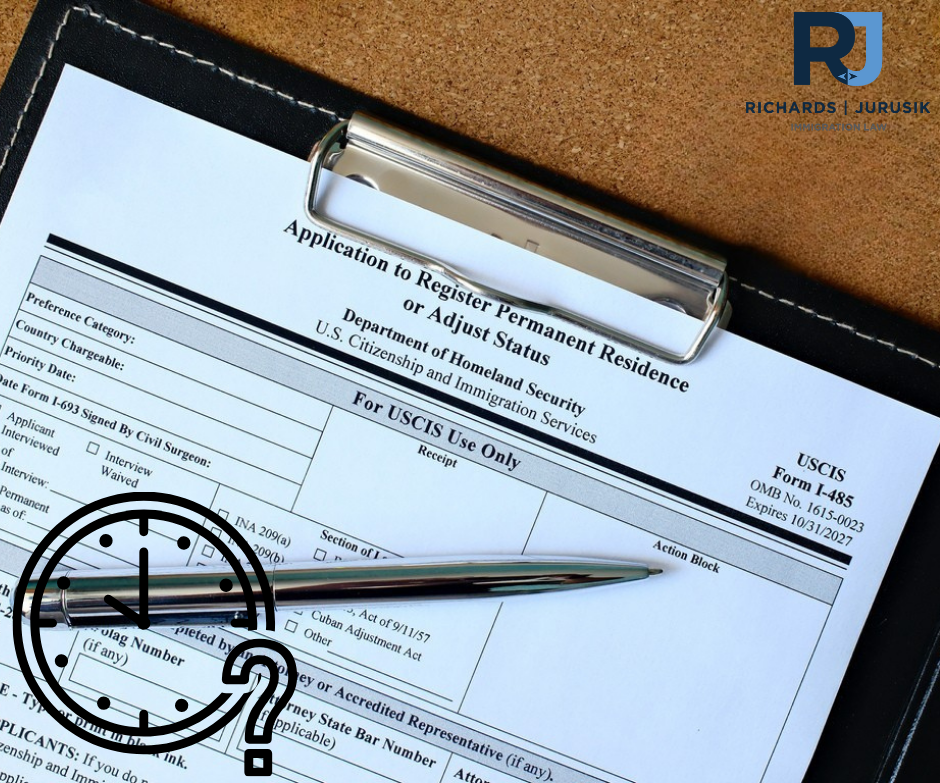
An eligible spouse of a U.S. citizen can generally file Form I-130 and Form I-485 together because this category has no annual numerical visa limit. That filing option does not eliminate the other eligibility requirements. Before filing, have an attorney review prior entries, overstays, unauthorized employment, visa applications, arrests, and any immigration proceedings.
Does It Matter Whether You Are a Citizen or Green Card Holder?
Yes. A permanent resident can petition for a spouse, but the case falls within a family preference category subject to visa availability. Filing and approval timing can depend on the applicable Visa Bulletin dates.
Adjustment rules also differ. Couples should not assume that advice for someone marrying a U.S. citizen applies equally to someone marrying a permanent resident. If the petitioning spouse expects to become a citizen, discuss how naturalization could affect the pending case.
Planning for International Students and Graduation
For international students at Utah colleges and universities, marriage planning should include a review of the student’s current status.
Questions to address include:
- When does the academic program end?
- Is the student maintaining the required course of study?
- Is employment authorized, and when does that authorization expire?
- Are international trips planned?
- What immigration applications will be filed, and when?
F-1 status depends on complying with the applicable student requirements. Marriage alone does not replace those requirements or extend employment authorization. An adjustment application also does not automatically authorize employment.
For example, a couple planning a wedding shortly before graduation should review the student’s program dates and work authorization before assuming both spouses can begin full-time jobs immediately afterward.
Can Your Partner Visit Utah to Get Married?
A wedding during a temporary visit may be permissible when the visitor genuinely intends to return abroad afterward and otherwise qualifies for visitor admission. State Department guidance expressly recognizes this possibility. That is different from using a visitor entry to carry out a concealed plan to remain permanently. Travel plans and statements to immigration officials must be truthful. A visitor visa is intended for a temporary stay.
Review the intended visit before travel, especially if the couple has already discussed relocating permanently to Utah.
Do Utah Online Marriages Count for Immigration?
Online ceremonies require particular care when the partners are in different locations. A marriage generally must be legally valid where celebrated. Federal immigration law also imposes a separate rule for ceremonies where the parties are not physically present together: the marriage must subsequently be consummated to qualify as a spousal relationship for immigration purposes.
An online marriage certificate alone may therefore be insufficient for a marriage-based immigration petition. Couples considering a Utah online wedding should review the ceremony arrangements, subsequent in-person contact, and supporting evidence before filing.
Financial Sponsorship: What Young Couples Should Know
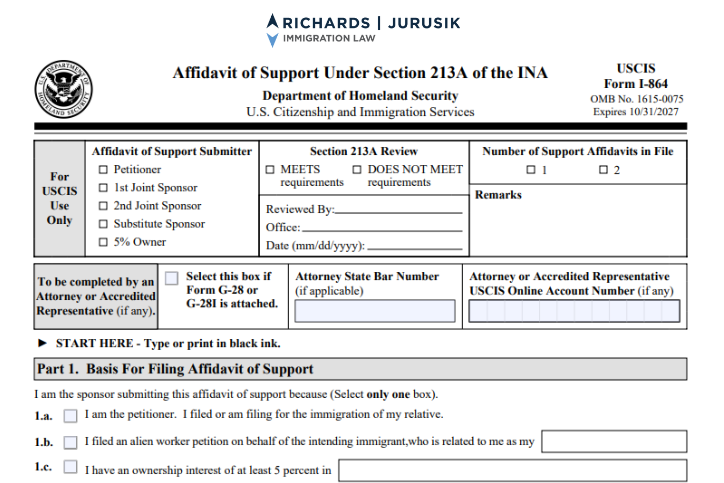
Most marriage-based green card cases require Form I-864, the Affidavit of Support. This is a legally enforceable financial commitment.
Sponsors generally must demonstrate income meeting 125% of the applicable federal poverty guidelines for their household size, with certain exceptions. Qualifying assets or a joint sponsor may help when income is insufficient.
This can matter for students, recent graduates, and returned missionaries beginning employment. Discuss financial sponsorship early, including tax records, current income, household size, and any potential joint sponsor.
A petitioner living abroad must also address U.S. domicile. A joint sponsor does not cure the petitioner’s failure to satisfy that requirement.
Plan Separately for Work and International Travel
A marriage certificate or pending green card application is not a work permit. The foreign spouse needs an applicable basis for employment authorization before working. Travel requires a separate review. Leaving the United States while Form I-485 is pending generally abandons the application unless advance parole was obtained before departure or a qualifying exception applies.
Before booking a honeymoon abroad or a trip to visit relatives, confirm which documents and rules apply to the foreign spouse.
A Practical Planning Checklist for Utah Couples
Before committing to wedding, moving, or employment dates:
- Confirm both partner’s status and immigration history. Gather passports, entry records, and prior immigration documents.
- Discuss where you will live during processing. Account for school, work, housing, and possible separation.
- Compare the available pathways. Consider the full process through permanent residence.
- Organize relationship records. Preserve photographs, visits, communications, and documents reflecting your actual relationship.
- Review financial sponsorship. Identify income records and any potential need for additional support.
- Keep dates flexible. Build room into your plans for processing and document collection.
Processing times vary by application, agency workload, consular availability, and case circumstances. Check current estimates before relying on a projected completion date.
Discuss Your Marriage Immigration Options Before You File
Whether you live in Salt Lake City, Provo, Ogden, or elsewhere in Utah, a useful immigration plan should account for your relationship, education, employment, travel, and intended home together. Schedule a consultation to review your circumstances and understand the appropriate steps before filing applications or making major commitments.
Schedule a Consultation with an Immigration Lawyer
Sources:
- https://www.uscis.gov/family/
family-of-us-citizens/visas- for-fiancees-of-us-citizens - https://www.uscis.gov/family/
bring-spouse-to-live-in-US
We can Help
If you’re planning to marry a foreign national and build your future together in Utah, Richards and Jurusik can help you understand your immigration options. With decades of experience and over 13,000 successful U.S. immigration cases, our attorneys assist couples with K-1 fiancé visas, marriage-based green cards, adjustment of status, and consular processing. Please read some of our hundreds of 5-star client reviews! Contact us today to assess your legal situation.

JEREMY L. RICHARDS is the founding partner of Richards and Jurusik and has dedicated his career to U.S. immigration law, with a specialized focus on assisting Canadian and Mexican citizens under the United States-Mexico-Canada Agreement (USMCA) to work and live in the United States. (Full Bio)