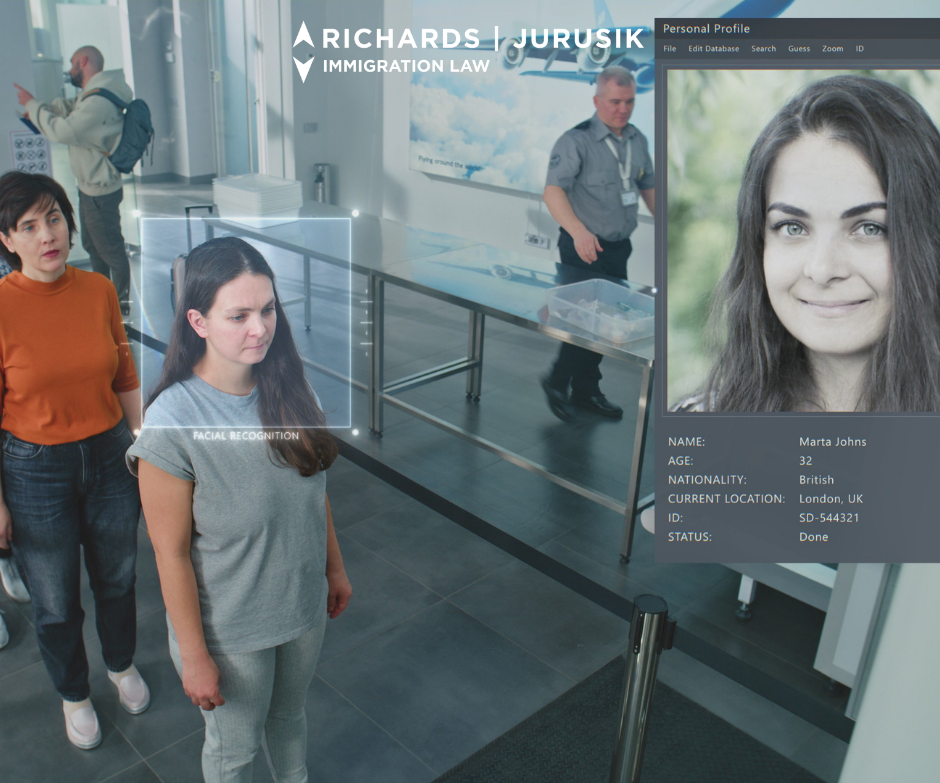
The U.S. Department of State (DOS) has announced a significant expansion of screening and vetting procedures for visa applicants. This update reflects ongoing efforts to enhance national security and ensure that individuals entering the United States meet all eligibility requirements.
While stricter screening is not new, this latest policy signals a broader and more systematic approach that could affect visa timelines, documentation requirements, and applicant preparedness.
What Has Changed?
According to the Department of State, consular officers will apply more comprehensive screening measures across a wider range of visa categories. This includes:
- Enhanced background and security checks
- Increased use of interagency data sharing
- More detailed review of applicant histories
- Expanded scrutiny of social media and digital footprints (where applicable)
As part of existing vetting procedures, the U.S. Department of State may review publicly available information, including social media identifiers provided in visa applications, to verify identity and assess admissibility; applicants are therefore encouraged to ensure their social media profiles are set to public or otherwise accessible for review.
These measures are designed to improve the government’s ability to identify potential risks before issuing visas.
Who Is Affected?
The expanded vetting procedures may apply to both immigrant and nonimmigrant visa applicants. While certain applicants may still qualify for expedited processing, many could experience:
- Longer administrative processing times
- Additional requests for information (RFIs)
- Follow-up interviews or documentation
Applicants in employment-based, student, and visitor visa categories should be especially mindful of these changes.
Impact on Visa Processing Times
One of the most immediate effects of expanded screening is the potential for delays. Administrative processing—often referred to as “221(g)”—may become more common as consular officers conduct deeper reviews.
Applicants should plan for:
- Unpredictable processing timelines
- Delays in visa issuance even after interview approval
- Additional waiting periods for security clearances
How to Prepare for Enhanced Vetting
To reduce the risk of delays or complications, applicants should take a proactive approach:
- Ensure all application forms (such as DS-160 or DS-260) are complete and accurate
- Provide consistent information across all immigration filings
- Be prepared to explain travel history, employment, and affiliations
- Review public social media profiles for accuracy and professionalism
Transparency and consistency are more important than ever under the updated vetting framework.
Key Takeaways
- Visa screening and vetting procedures have expanded significantly
- Applicants should expect stricter background checks and possible delays
- Preparation and accurate documentation are critical to avoid issues
- Administrative processing may become more common
Conclusion
This policy update reflects the U.S. government’s continued focus on security and compliance in the immigration process. While it may introduce additional hurdles for applicants, understanding the new expectations can help individuals navigate the system more effectively.
Staying informed and well-prepared remains the best strategy for successful visa processing in this evolving landscape.
Source:
U.S. Department of State – Announcement of Expanded Screening and Vetting for Visa Applicants
Schedule a Consultation with an Immigration Lawyer
We Can Help!
If you have questions regarding U.S. Immigration, we invite you to contact our team at Richards and Jurusik for detailed guidance and assistance. We aim to provide the most accurate and up-to-date information to make your immigration process smoother and less stressful. The immigration lawyers at Richards and Jurusik have decades of experience helping people to work and live in the United States. Please read some of our hundreds of 5-star client reviews! Contact us today to assess your legal situation.

REBECCA KROLL is an Associate Attorney at Richards and Jurusik who practices exclusively in U.S. immigration law, focusing on both business and family-based immigration. She assists clients with employment-based visas, marriage and family cases, and the U.S. citizenship process. (Full Bio)