You are considering filing for adjustment of status, but your plans may change. Perhaps you need to return home for work or family responsibilities and complete your green card process through a U.S. consulate instead. Can you withdraw your application and still visit while your I-130 is pending?
Withdrawing an adjustment of status application does not automatically prevent future visits. However, the prior filing can make it harder to establish that a later trip is temporary. Your immigration history, circumstances abroad, and plans for each visit will matter.
Why a Previous Adjustment Application Matters
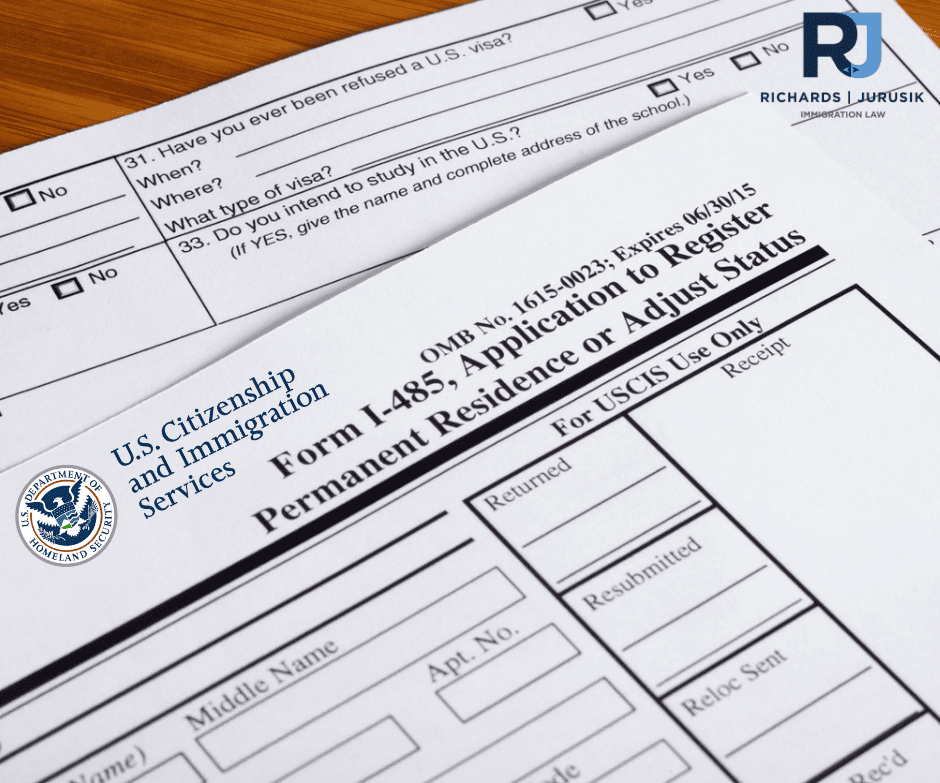
Adjustment of status generally involves filing Form I-485 to request permanent residence from inside the United States. That filing shows that you sought to become a permanent resident while here. Withdrawing the application does not erase that history. As a practical matter, a border officer may question whether you now intend to make a temporary visit or return to remain permanently.
Be prepared to explain truthfully why your plans changed, where you now live, and why you will leave after your visit. Withdrawal also does not cure an earlier misrepresentation or other immigration violation.
Can I Visit While My I-130 Is Pending?
A pending I-130 does not automatically disqualify you from visiting. State Department guidance recognizes that a U.S. citizen’s or permanent resident’s spouse or child may qualify for a temporary visit, including while an immigrant petition is pending.
The distinction is between intending to immigrate in the future through the proper process and intending to remain during your current visit. You must still establish that you qualify for admission as a visitor. Neither a pending nor an approved I-130 gives you permission to enter or live in the United States.
What Can Help Demonstrate a Temporary Visit?
Depending on your circumstances, useful evidence may include:
- Employment abroad and a scheduled return to work.
- A residence and ongoing obligations outside the United States.
- A specific reason for the visit and a realistic departure date.
- Funds to cover the trip without unauthorized employment.
- Documentation showing that you are pursuing consular processing.
These documents support your explanation; they do not guarantee admission. CBP decides whether to admit you each time you seek entry, even if you have a valid visitor visa. As a practical consideration, frequent or lengthy stays may raise questions about whether you are effectively living in the United States while waiting for your green card.
Does Withdrawing I-485 Also Withdraw My I-130?
Form I-485 is your adjustment application. Form I-130 is the family petition supporting your immigration case. Withdrawing only the I-485 generally does not withdraw the I-130. Your withdrawal request should clearly identify which application you intend to withdraw.
Withdrawing adjustment of status and switching to consular processing are separate steps. If your I-130 is still pending, USCIS says you may contact its Contact Center to request a change in your processing selection. If USCIS has already approved and retained the petition for adjustment of status, Form I-824 may be needed to send it to the National Visa Center. Do not assume that withdrawing I-485 automatically transfers your case overseas.
Review Your Status Before Withdrawing or Leaving
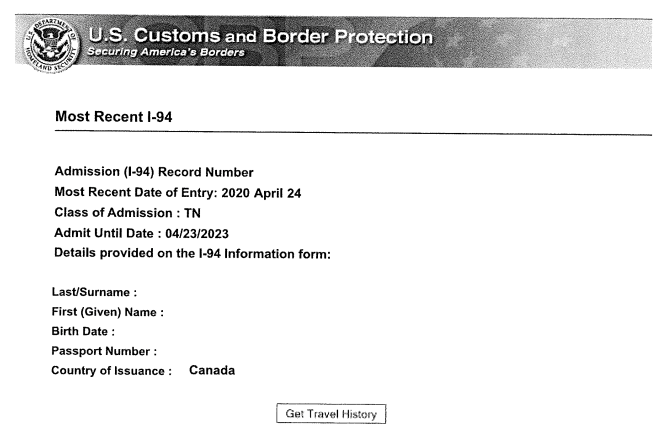
A pending I-485 does not itself place you in lawful nonimmigrant status. If your previous status has expired, withdrawing the application may affect your ability to remain in the United States and your unlawful presence situation. Withdrawal does not restore an expired visitor admission. Before withdrawing or departing, review your admission history, current status, any unlawful presence, and travel documents. Leaving while I-485 remains pending can also cause abandonment unless the applicable travel requirements or an exception are satisfied.
Consider Your Travel Needs Before Filing
If periodic U.S. visits are important, consider that when choosing between adjustment of status and consular processing. Consular processing may better fit plans to continue living abroad, although it does not guarantee future visitor admission.
An immigration attorney can help you evaluate the consequences before you file, withdraw, or depart, and develop a consistent plan for your green card process and future visits.
Schedule a Consultation with an Immigration Lawyer
Sources
- https://travel.state.gov/
content/dam/visas/AILA/AILA- Agenda-11-03-2022.pdf - https://www.uscis.gov/i-130
- https://www.govinfo.gov/
content/pkg/CFR-2022-title8- vol1/pdf/CFR-2022-title8-vol1. pdf
We Can Help!
If you have questions regarding U.S. Immigration, we invite you to contact our team at Richards and Jurusik for detailed guidance and assistance. We aim to provide the most accurate and up-to-date information to make your immigration process smoother and less stressful. The immigration lawyers at Richards and Jurusik have decades of experience helping people to work and live in the United States. Please read some of our hundreds of 5-star client reviews! Contact us today to assess your legal situation.

JEREMY L. RICHARDS is the founding partner of Richards and Jurusik and has dedicated his career to U.S. immigration law, with a specialized focus on assisting Canadian and Mexican citizens under the United States-Mexico-Canada Agreement (USMCA) to work and live in the United States. (Full Bio)