What Is “Good Moral Character” for U.S. Citizenship?
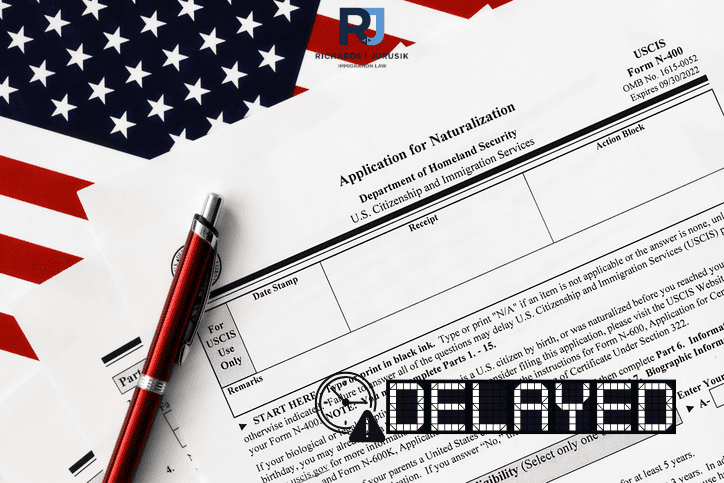
One of the key requirements for becoming a U.S. citizen through naturalization is proving “good moral character” (GMC). According to U.S. Citizenship and Immigration Services (USCIS), this means your behavior must reflect the moral standards expected of the average citizen during a specific period, usually the five years before filing Form N-400, or three years if you are applying through marriage to a U.S. citizen.
USCIS reviews your conduct during this statutory period and, in some cases, may also consider behavior that occurred earlier if it is relevant to your current character.
Why “Good Moral Character” Matters
Your naturalization application may be denied if USCIS determines that you did not demonstrate good moral character during the required period. Certain conduct outside the statutory period may also be reviewed if it involves serious violations.
USCIS commonly evaluates:
- Criminal history
- Immigration violations
- Tax filing and payment compliance
- Child support and family obligations
- Overall conduct in the community
Common Issues That May Affect Good Moral Character
Criminal Convictions
Some offenses automatically prevent a finding of good moral character, including aggravated felonies such as murder, drug trafficking, or sexual abuse of a minor. Crimes involving moral turpitude and multiple convictions with an aggregate sentence of five years or more can also be disqualifying.
Even less serious offenses, such as DUI or shoplifting, may still affect your application depending on the facts of the case.
Fraud or Misrepresentation
Providing false information to USCIS or another government agency, including false statements on immigration applications, can result in denial of naturalization.
Failure to Pay Taxes
Not filing tax returns or failing to pay owed taxes may be viewed as a failure to meet legal obligations. Applicants are encouraged to resolve tax issues or enter a payment plan before applying.
Failure to Support Dependents
USCIS considers whether an applicant has complied with court-ordered child support or other family-related financial responsibilities.
Substance Abuse
Evidence of habitual drunkenness, illegal drug use, or substance abuse problems, particularly when connected to arrests or convictions, can negatively impact a good moral character determination.
How to Prove Good Moral Character
Past mistakes do not always result in denial. USCIS also looks for evidence of rehabilitation and responsibility.
Provide Evidence of Rehabilitation
Helpful documentation may include certificates from counseling or treatment programs, letters from employers or community leaders, and proof of stable employment.
Demonstrate Community Involvement
Participation in volunteer work, religious organizations, or local community activities can support a finding of good moral character.
Be Honest and Consistent
All information on Form N-400 and during the naturalization interview should be truthful and complete. Failure to disclose information may be more damaging than the conduct itself.
Resolve Outstanding Obligations
Address unpaid taxes, child support arrears, or other legal obligations before filing your application whenever possible.
What If You Have a Criminal Record?
If you have ever been arrested or convicted of a crime, it is important to consult with a licensed immigration attorney before applying for naturalization. Depending on the situation, you may need to obtain certified court records, submit written statements, or delay filing until enough time has passed to reestablish good moral character.
Final Thoughts
Proving good moral character is a critical and sometimes complex part of the U.S. naturalization process. With proper preparation and documentation, many applicants with past issues are still able to move forward successfully.
If you have concerns about how your background may affect your citizenship application, consult a licensed immigration attorney for guidance before filing.
Schedule a Consultation with an Immigration Lawyer
Citations
- USCIS Policy Manual: Good Moral Character
- 8 CFR § 316.10 – Good Moral Character
- IRS – Payment Plans and Tax Compliance
We Can Help!
If you have questions regarding U.S. immigration, we invite you to contact our team at Richards and Jurusik for detailed guidance and assistance. We aim to provide the most accurate and up-to-date information to make your immigration process smoother and less stressful. The immigration lawyers at Richards and Jurusik have decades of experience helping people to work and live in the United States. Please read some of our hundreds of 5-star client reviews! Contact us today to assess your legal situation.

CHRISTINE JURUSIK is a Partner at Richards and Jurusik and Focuses her practice solely on U.S. Immigration law, with a specialized focus on advising families and individuals on the family-based immigration process and on obtaining U.S. Citizenship. She also handles Canadian Rehabilitation and DUI inadmissibility matters for U.S. Citizens seeking to overcome inadmissibility to Canada. (Full Bio)