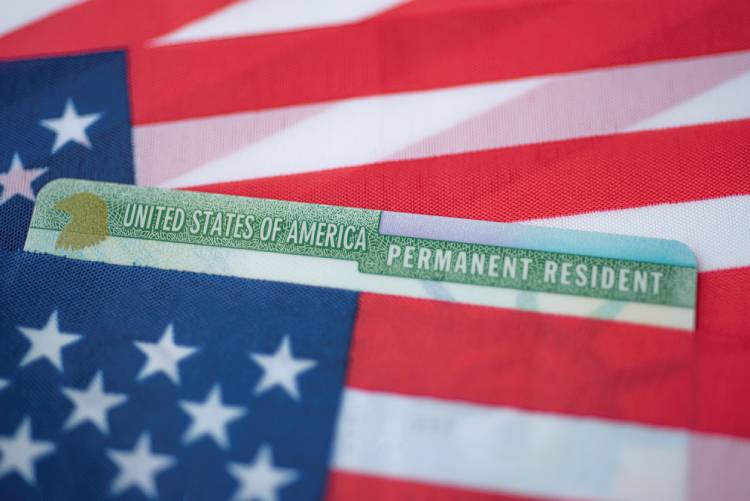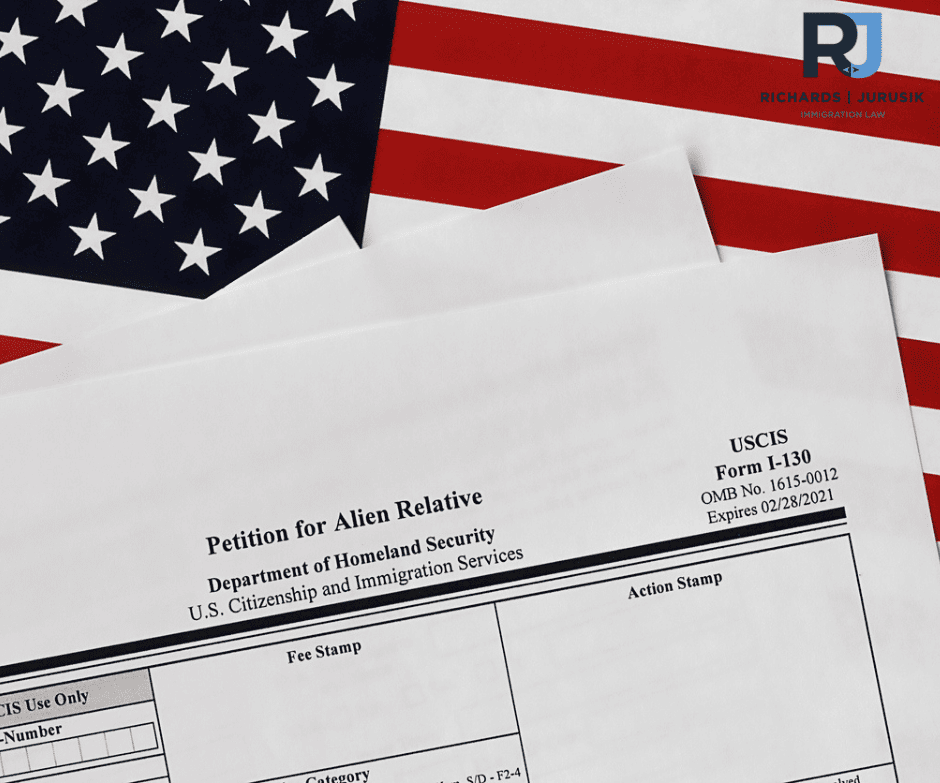
If your Form I-130 (Petition for Alien Relative) has already been approved and sent to a U.S. consulate for immigrant visa processing, you may be wondering whether you can still apply for a green card from within the United States. In some cases, you can adjust status without completing consular processing. However, your eligibility depends on your immigration history and whether you meet the requirements for adjustment of status.
Can I Adjust Status if My I-130 Was Sent to the Consulate?
If you are physically present in the United States and meet the eligibility requirements under INA § 245, you may be able to file an adjustment of status application with U.S. Citizenship and Immigration Services (USCIS).
For example, certain immediate relatives of U.S. citizens may be eligible to adjust status if they were inspected and admitted or inspected and paroled into the United States, even if they overstayed their visa or worked without authorization. Other applicants may face additional restrictions, including requirements related to maintaining lawful status and the manner of their entry.
You must also have an immigrant visa immediately available when required. An approved I-130 alone does not establish eligibility to adjust status. Finally, you must also ensure that the overseas Embassy or Consulate has not terminated the I-130.
Why Is It Important to Keep in Contact With the NVC or Consulate?
If your I-130 was approved and the case is already at the NVC or a U.S. consulate, do not simply stop responding to communications because you intend to adjust status in the United States.
Under INA § 203(g), an immigrant visa registration may be terminated if you fail to apply for an immigrant visa within one year after being notified that a visa is available. The Department of State advises applicants to respond to notices and maintain contact to avoid potential termination.
What If My Situation Is The Opposite: Switching From Adjustment of Status to Consular Processing?
If you initially planned to adjust status in the United States but later decide to pursue consular processing abroad, you may need to file Form I-824, Application for Action on an Approved Application or Petition, to request that USCIS forward your approved I-130 petition to the National Visa Center (NVC) for immigrant visa processing. The appropriate procedure depends on the status and location of your petition. An immigration attorney can help you determine the steps necessary to transition to consular processing.
Schedule a Consultation with an Immigration Lawyer
We Can Help!
If you have questions regarding U.S. Immigration, we invite you to contact our team at Richards and Jurusik for detailed guidance and assistance. We aim to provide the most accurate and up-to-date information to make your immigration process smoother and less stressful. The immigration lawyers at Richards and Jurusik have decades of experience helping people to work and live in the United States. Please read some of our hundreds of 5-star client reviews! Contact us today to assess your legal situation.
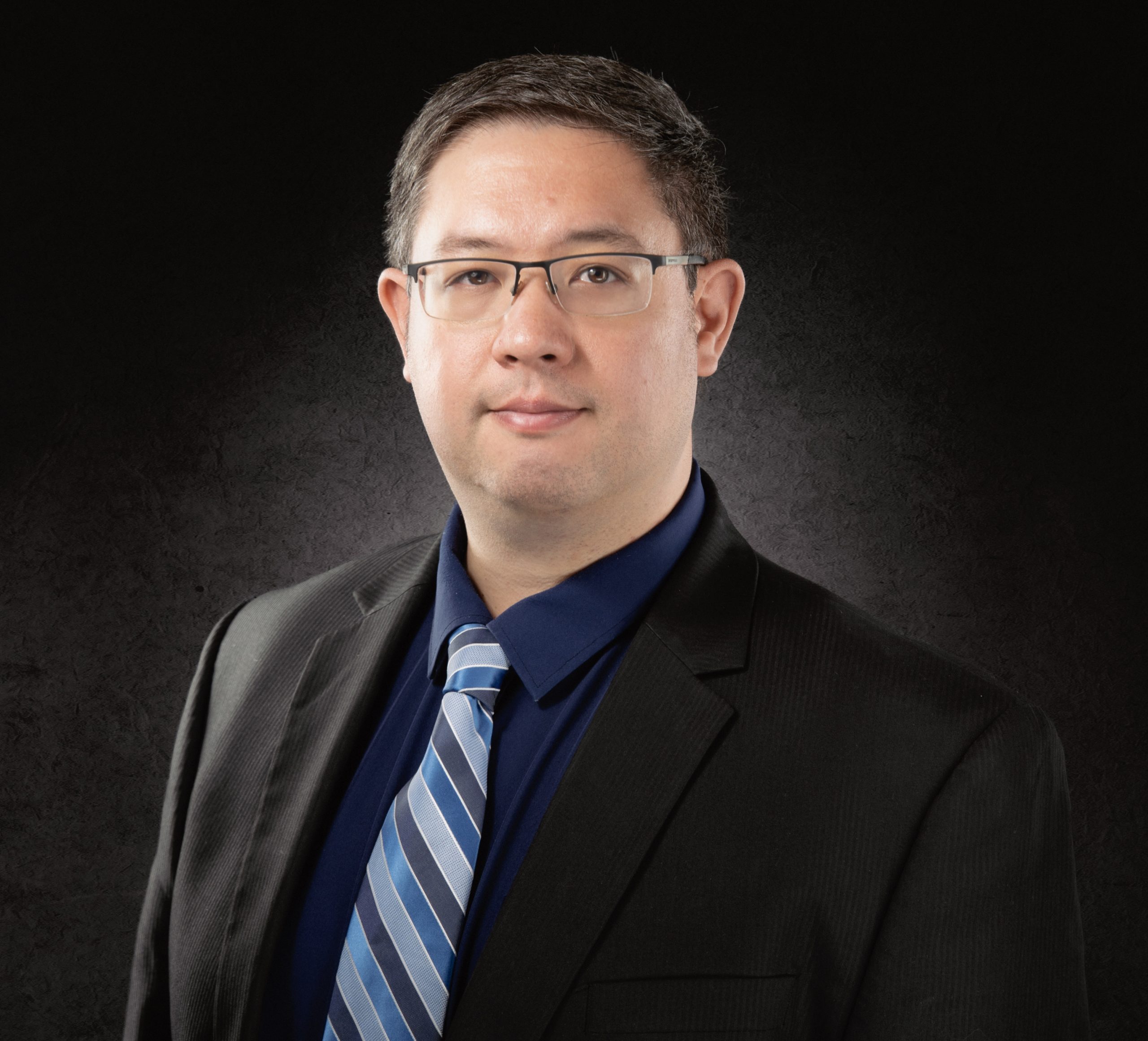
BRANDON BEASLEY is a Associate Attorney at Richards and Jurusik who focuses his practice exclusively on U.S. and Canadian immigration law. He advises individuals, families, professionals, and businesses on employment-, investment-, and family-based immigration matters, while also assisting U.S. citizens with Canadian criminal inadmissibility, Temporary Resident Permits, and Criminal Rehabilitation applications. (Full Bio)