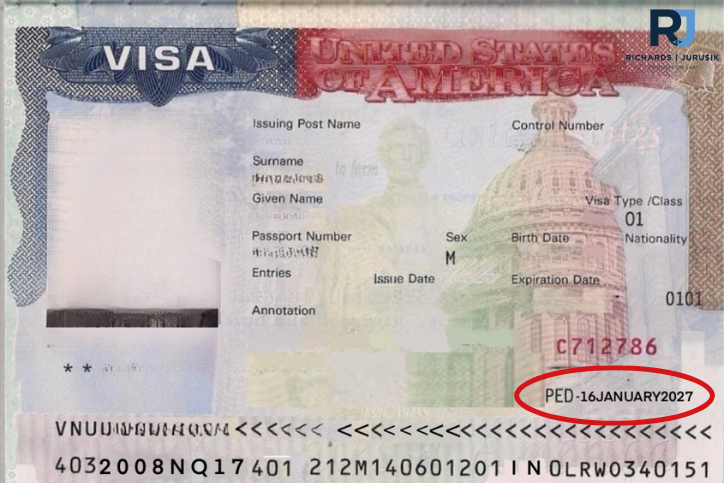
The L‑1 visa allows multinational companies to transfer key employees to U.S. offices. Whether you hold an L‑1A (executive/manager) or L‑1B (specialized knowledge) visa, it’s crucial to understand how renewals and extensions work to maintain legal status in the United States.
Extension Limits
- L‑1A: Maximum stay of 7 years. Initial approval is up to 3 years (or 1 year for new offices), with 2-year extensions.
- L‑1B: Maximum stay of 5 years. Same initial approval and extension structure.
USCIS recommends filing an extension at least 45 days before your current status expires, though earlier is often better. Learn more about extension policies on the
USCIS Extend Your Stay page.
Required Documentation
- Employer must file Form I‑129 with USCIS.
- Include proof of continued employment and eligibility.
- Dependents must file Form I‑539 separately for L‑2 extensions.
Premium Processing
USCIS offers premium processing for a fee of $2,805, providing a response within 15 business days. This is optional but often recommended due to backlogs.
Changing Employers on L‑1 Status
Unlike other nonimmigrant categories, changing employers while on an L‑1 visa is not straightforward. The L‑1 is tied to the petitioning company that has a qualifying relationship with the foreign entity.
To move to a new employer, the new company must also have an eligible foreign affiliate, parent, or subsidiary and file a new Form I‑129. You cannot start working for the new employer until USCIS approves the new petition.
Using the Canadian Border for L‑1 Extensions
Canadian citizens holding L‑1 status have a unique option to process extensions at U.S. land borders or airport preclearance locations, avoiding USCIS delays.
Eligibility
- Must be a citizen and resident of Canada.
- Should not have resided in the U.S. more than 183 days per year.
- Same employer must sponsor the extension.
- Proof such as I‑94 records, boarding passes, and employment letters may be required.
Ports of Entry
Examples include Buffalo Peace Bridge (NY), Champlain (NY), Blaine (WA), and Sweetgrass (MT). See the
CBP’s guide for Canadian L‑1 travel for more.
Risks and Recommendations
CBP officers have discretion to deny border extensions, especially if U.S. residence appears too permanent. It is strongly advised to consult a licensed immigration attorney and prepare a comprehensive documentation package.
Summary Table
| Process Type | Filing Method | Processing Time | Employer Change Allowed | Notes |
|---|---|---|---|---|
| USCIS Extension | Form I‑129 | 2–8+ months (15 business days with premium) | Yes (new I‑129 required) | Most common route |
| Canadian Border Renewal | At port of entry | Immediate decision | No | Only for Canadian citizens, same employer only |
Conclusion
L‑1 visa holders should begin planning renewals and extensions well in advance of expiration. Canadians may benefit from expedited processing at border locations, but this option comes with specific requirements and risks. Changing employers on an L‑1 visa requires a new petition, and timing is critical to avoid unlawful presence or employment gaps.
Schedule a Consultation with an Immigration Lawyer
We Can Help!
If you have questions about L-1 Visa, we invite you to contact our team at Richards and Jurusik for detailed guidance and assistance. We aim to provide the most accurate and up-to-date information to make your immigration process smoother and less stressful. The immigration lawyers at Richards and Jurusik have decades of experience helping people work and live in the United States. Please read some of our hundreds of 5-star client reviews! Contact us today to assess your legal situation.

REBECCA KROLL is an Associate Attorney at Richards and Jurusik who practices exclusively in U.S. immigration law, focusing on both business and family-based immigration. She assists clients with employment-based visas, marriage and family cases, and the U.S. citizenship process. (Full Bio)